 EN
EN  TR
TR  AR
AR  DE
DE  RU
RU  BG
BG 

Coming to Turkey for IVF: Advantages and Critical Considerations from a Physician’s Perspective
Many intended parents living abroad who wish to have a child have increasingly started to choose Turkey for IVF (In Vitro Fertilization) treatment. The main reasons include loss of time, uncertainty, long appointment processes, and the lack of personalized treatment approaches.
Gynecology, Obstetrics, and IVF Specialist Dr. Soner Düzgüner explains in detail what kind of process awaits couples living abroad in Turkey and why Turkey stands out in this field.
The Biggest Challenge of IVF Treatment Abroad: Time and Uncertainty
In many European countries, starting IVF treatment requires long waiting periods for appointments. Often, after the first consultation, couples receive unclear feedback such as:
- “Let’s wait a bit longer.”
- “Let’s do these tests later.”
- “Let’s reassess in a few months.”
encounters vague and unclear feedback.
In addition, the inability to perform all tests simultaneously can significantly prolong the treatment process.
In some countries, government support is limited based on the woman’s age. Couples often feel obliged to adapt to this system, which leads to further delays. Many couples who apply to Turkey later say:
“We wish we had come earlier.”
Other Important Reasons for Choosing Turkey
- Cultural and Language Advantage
Many couples living in Europe feel more comfortable and secure in Turkey due to speaking the same language and cultural familiarity.
- Referral of Complex and Challenging Cases to Turkey
Couples who have had unsuccessful IVF attempts in Europe are frequently referred to Turkey. In fact, some European physicians even say:
“You may consider trying treatment in Turkey.”
This clearly demonstrates the strong technological infrastructure and clinical experience of IVF centers in Turkey.
Is There a Significant Difference in Success Rates Between Turkey and Europe?
An acceptable IVF success rate is approximately %60–65 is approximately
In many European centers, success rates often remain around 30%. may remain
Of course, there are excellent centers in Europe; however, not all centers operate at the same standard. In Turkey, due to high patient volume and extensive experience, success rates tend to be more consistent and higher
How Is the Process Planned for Patients Coming from Abroad?
At Dr. Soner Düzgüner’s clinic, the process is structured as follows:
- Initial contact (usually via social media or the website)
- A detailed medical information form sent to the couple (approximately 12 pages)
- A 45-minute video consultation after the form is completed, covering:
- Medical history
- Treatment plan
- Required duration
- Budget
- The couple makes their decision
- Planning the travel date 1–2 months in advance
- Guidance on time management according to flight tickets and leave periods
The goal: to maximize success while minimizing the time spent in Turkey..
How Long Do Patients Need to Stay in Turkey?
- If a fresh embryo transfer is planned: approximately 15–16 days
- For frozen embryo transfer (FET): approximately 12 days
In most cases, couples travel together. However, if the male partner has limited availability, it is sufficient for him to come only on the sperm collection day
Is Remote Monitoring Possible?
Yes. For couples with limited time or difficulty arranging leave periods, remote monitoring can be implemented.
In this system:
- The initial examination is performed in Turkey
- Medications are prepared and provided in advance
- Day 6 and Day 9 ultrasound and blood tests are done in the patient’s home country
- Coordination is established with partner clinics or the patient’s own gynecologist
- The couple returns to Turkey shortly before egg retrieval
With this approach, the total stay in Turkey can be significantly reduced, and medication costs are often lower.
Key Diagnostic Advantages That Make Turkey Stand Out
🔹 Hysterosalpingography (HSG)
While not commonly used in every European country, in Turkey HSG can be performed:
- Within 5–10 minutes
- Without surgery
- Easily in a radiology center for both diagnosis and treatment planning
🔹 Preimplantation Genetic Testing (PGT)
In Turkey, PGT can be offered flexibly and in favor of the patient in cases such as:
- Recurrent IVF failures
- Recurrent pregnancy losses
- To shorten the time to achieve pregnancy by detecting chromosomal abnormalities in advance
The Key to Success: Personalized Treatment
The most important factor in increasing success rates is
- Body weight
- Hormonal profile
- Ovarian reserve
- Previous treatment attempts
individualized treatment planning, based on:
Decisions regarding medication type, dosage, fresh versus frozen transfer, and the need for genetic testing are all made on an individual basis.
Face-to-Face Consultations in Europe
Dr. Soner Düzgüner believes that in-person consultations in Europe are just as important as online meetings.
For this reason, face-to-face consultations are conducted through a partner clinic in Düsseldorf, which offers easy access from Amsterdam, Brussels, and Western Germany.
In the future, Berlin, Vienna, and London are also among the targeted locations.
Treatments are performed in Istanbul, while consultations take place in Europe.
Conclusion
For intended parents living abroad who wish to have a child, Turkey offers:
- Faster access to treatment
- Clear and well-structured processes
- Highly personalized care
- Higher and more consistent success rates
🎥 You can watch the 8-minute video version of this content on our website and social media channels.
📩 Feel free to leave your questions in the comments section or contact us directly.
Let us reach you quickly about the topics you want to consult.
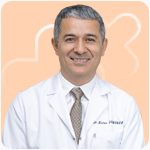
Op. Dr. Soner DÜZGÜNER
Obstetrics and Gynaecology Specialist
Op. Dr. Soner Düzgüner: Provides diagnosis and treatment in areas such as in vitro fertilization, women's health, infertility, gynecological surgery and pregnancy follow-up.