 EN
EN  TR
TR  AR
AR  DE
DE  RU
RU  BG
BG 

Spiral
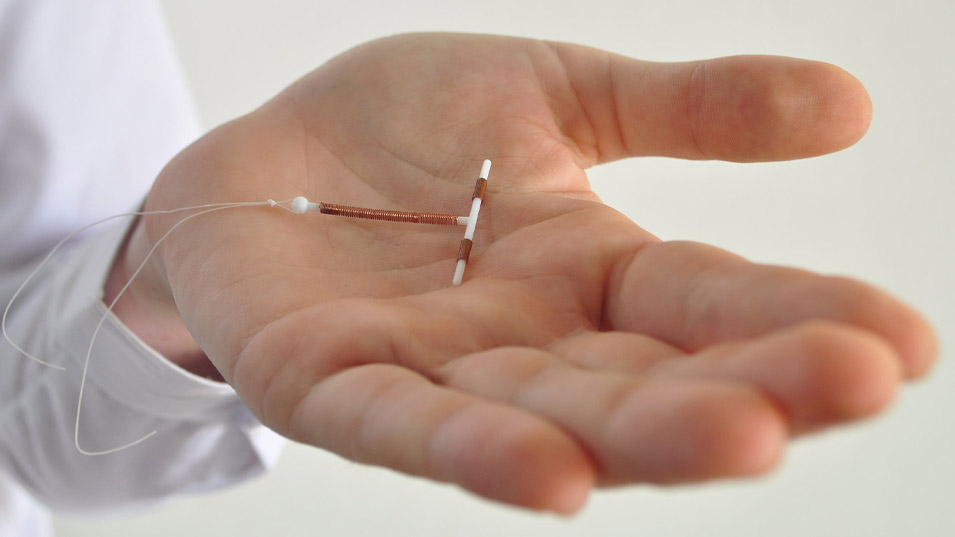
What Is Intrauterine Device (IUD) Birth Control?
The spiral, medically known as an intrauterine device (IUD), is a birth control method placed inside the uterus to prevent pregnancy.
The IUD is usually T- or Y-shaped, made of plastic, and some types contain added copper or the hormone progesterone.
When placed inside the uterus, the IUD prevents sperm cells from reaching the uterine lining, thereby preventing fertilization. Copper-containing IUDs work by killing sperm and making the uterine lining inhospitable to them. IUDs containing the hormone progesterone thin the uterine lining and thicken the cervical mucus, making it harder for sperm to reach the uterus.
Who Should Not Use an IUD?
Although the IUD is a safe and effective birth control method for most women, its use is not recommended in certain cases. The situations in which the IUD should not be used as a birth control method include:
Women with an active pelvic infection: An IUD may cause the infection to spread to the uterus and fallopian tubes.
Women with uterine or cervical cancer: These conditions can make the use of an IUD unsafe.
Women with an abnormal uterine shape or size: This may make it difficult to place the IUD correctly and reduce its effectiveness.
Women with hypersensitivity or allergy to copper, such as those with Wilson's disease: Using a copper-containing IUD may cause a severe allergic reaction in these women.
Women who have recently had pelvic inflammatory disease (PID): An IUD may increase the risk of PID.
Women with heavy and unexplained vaginal bleeding: This condition may be a sign of a more serious health issue, and using an IUD could worsen it.
How Effective Is the IUD as a Birth Control Method?
When properly inserted, the IUD is a highly effective method of birth control. Copper IUDs (such as Paragard) are about 99% effective during the first year of use. Hormonal IUDs (such as Mirena, Kyleena, Liletta, and Skyla) are similarly about 99% effective.
This means that about 1 out of every 100 women may become pregnant within a year. However, these rates apply under ideal usage conditions, and effectiveness may decrease if the IUD becomes displaced or falls out.
Can You Get Pregnant While Using an IUD?
Since no birth control method is 100% effective, there is a small risk of pregnancy even while using an IUD. The effectiveness may decrease if the IUD becomes displaced. Additionally, the risk of pregnancy is slightly higher immediately after insertion, as it takes some time for the IUD to fully settle and become effective.
When Is an IUD Inserted?
The IUD is usually inserted at the end of the menstrual cycle. At this time, the cervix is slightly more open, making the insertion of the IUD easier.
What Are the Side Effects of an IUD?
The side effects of an IUD may vary from person to person. Common side effects include irregular menstrual bleeding, spotting between periods, painful or heavy periods, and pain or discomfort (especially when the device is first inserted). Less common but more serious side effects include expulsion of the IUD, uterine perforation, or pelvic inflammatory disease.
How Long Does an IUD Provide Protection?
Copper IUDs generally provide protection for up to 10 years, while hormonal IUDs typically offer protection for 3 to 5 years. However, the duration of use may vary depending on the individual's health status, age, and other factors.
What Is Sexual Intercourse Like While Using an IUD?
Sexual intercourse occurs normally while using an IUD. When the IUD is properly inserted, neither you nor your partner will feel it.
Comments From You
Danışmak istediğiniz konularla ilgili sizi arayalım.
Let us reach you quickly about the topics you want to consult.

Op. Dr. Soner DÜZGÜNER
Obstetrics and Gynaecology Specialist
Op. Dr. Soner Düzgüner: Provides diagnosis and treatment in areas such as in vitro fertilization, women's health, infertility, gynecological surgery and pregnancy follow-up.