 EN
EN  TR
TR  AR
AR  DE
DE  RU
RU  BG
BG 

Varicocele
What is varicocele?
Varicocele is a condition in which the veins in the testicles become enlarged and abnormally dilated. This occurs in the venous system called the pampiniform plexus, which supplies blood to the testicles and regulates temperature. Varicocele is more commonly seen in the left testicle and is associated with male infertility.
Varicocele causes swelling and a feeling of discomfort in the scrotum (the testicular sac), similar to varicose veins, due to the enlargement of superficial veins. It is usually painless, but in some cases, pain, discomfort, and a feeling of heaviness in the scrotum may occur.
Varicocele is seen in approximately 15% of men and usually begins during adolescence. Although the exact cause is not fully known, it is thought to be related to insufficiencies in venous blood flow.
What are the symptoms of varicocele?
Varicocele symptoms may vary from person to person and in some cases may not appear at all. However, some typical symptoms that may be seen in individuals with varicocele include:
Feeling of heaviness in the scrotum (testicular sac): Varicocele can cause discomfort and a feeling of heaviness in the scrotum, which may become more noticeable after standing for a long time or following physical activity.
Swelling in the scrotum or enlarged veins: Varicocele can cause swelling in the scrotum and the appearance of enlarged veins. This condition may be described as a "web of capillaries" or a "bag of worms."
Reduction in testicle size: Varicocele can lead to atrophy (shrinkage of tissue) and a decrease in the size of the affected testicle.
Pain: Varicocele can cause pain and discomfort in the scrotum in some cases. The pain is usually mild and may increase with standing, physical activity, or prolonged sitting.
Infertility: Varicocele can affect sperm production and function, and may lead to male infertility. Approximately 40% of men with varicocele experience infertility problems.
How is varicocele diagnosed?
Varicocele is the abnormal enlargement and swelling of the veins in the testicles. It can often cause symptoms such as pain, infertility, and a reduction in testicle size. Various methods are used to diagnose varicocele.
Physical examination: The patient's testicles and scrotal area are examined manually to assess signs of varicocele. This method provides information about the size and firmness of the varicocele.
Doppler ultrasonography: Doppler ultrasonography is a method that uses sound waves to visualize blood flow. This test allows the doctor to evaluate blood flow in the testicles and detect the presence of varicocele.
Color Doppler ultrasonography: Color Doppler ultrasonography works similarly to Doppler ultrasonography but provides more sensitive and detailed images. This test helps determine the severity of the varicocele and the number of affected veins.
Venography: Venography is a radiological examination that uses contrast dye to visualize the veins. This method can help determine the exact location and severity of the varicocele.
Thermography: Thermography can be used in the diagnosis of varicocele by measuring the temperature distribution of the testicles and surrounding tissues. Higher-than-normal temperature values may be observed in areas affected by varicocele.
Magnetic Resonance Venography (MRV): MRV uses magnetic resonance imaging (MRI) technology to visualize veins. This method can provide more sensitive and detailed information compared to other imaging methods.
How Is Varicocele Treated?
Varicocele treatment; may vary depending on the severity of the condition, the age of the patient, and the presence of complications such as infertility. Generally, if varicocele does not cause pain or serious complications like infertility, treatment may not be necessary. However, surgical intervention is required if the varico
How Many MM of Varicocele Requires Surgery?
There is no specific "millimeter" criterion for varicocele surgery. Varicoceles are graded based on their size and clinical symptoms. The decision for surgery is evaluated by the doctor and patient depending on the varicocele’s grade, patient's symptoms, and potential complications.
Varicocele is generally classified into three grades:
Grade 1 (mild): Varicocele can only be felt during the Valsalva maneuver (the patient holds breath and strains) and is small in size.
Grade 2 (moderate): Varicocele can be felt without the Valsalva maneuver but is not larger in size.
Grade 3 (severe): Varicocele is visible and large; it causes noticeable enlargement of the scrotum.
In Which Cases Is Varicocele Surgery Performed?
Varicocele surgery may be considered especially in the following cases:
- Decrease in quality of life due to pain, discomfort, or scrotal swelling.
- Decrease in testicular growth or testicular atrophy.
- In patients experiencing infertility, detection of abnormalities such as low sperm count, poor motility, or abnormal sperm morphology in sperm analysis.
How Is Varicocele Surgery Performed?
Varicocele surgery is generally performed using microscopic subinguinal varicocelectomy, laparoscopic varicocelectomy, and robotic surgical methods. During the surgery, the affected veins are identified, cut, and tied off. This stops abnormal blood flow and alleviates varicocele symptoms. The procedure is done under general anesthesia, and most patients are discharged shortly after. After a successful varicocele surgery, pain and swelling usually decrease, and sperm quality improves.
What Should Be Considered After Varicocele Surgery?
The following should be considered after varicocele surgery:
- Use the prescribed medications regularly after surgery and do not miss your follow-up appointments.
- Apply prescribed analgesics and cold compresses to reduce pain and swelling during the recovery process.
- Avoid heavy lifting and excessive physical activities for the first few days.
- You can relieve discomfort by wearing special underwear that provides scrotal support.
- Avoid sexual activity and masturbation for at least one week. If you notice signs of complications during the recovery process, especially severe pain, bleeding, or infection, contact your doctor immediately.
Does Sperm Count Increase After Varicocele Surgery?
It is possible for sperm count to increase after varicocele surgery. The surgery can improve sperm production and quality by correcting blood flow in the testes and preventing abnormal temperature changes. However, each patient’s situation is different, and the increase in sperm count may vary from person to person. After a successful varicocele surgery, it usually takes several months to see an increase in sperm count and a reduction in infertility problems.
Can a Man with Varicocele Have Children?
Varicoceles do not always prevent a man from having children. Although varicocele is characterized by the enlargement and swelling of the veins in the testes, it does not always cause infertility. Depending on the severity and duration of the varicocele and the overall health of the man, sperm production and quality may be affected. However, these effects do not always reach the level of infertility.
In men experiencing infertility due to varicocele, abnormalities in sperm count, motility, and morphology (shape) are commonly observed. In such cases, appropriate treatment options, especially varicocele surgery, can improve sperm parameters and increase the chances of pregnancy.
Does Varicocele Negatively Affect Sexual Life?
Varicocele can negatively affect sexual life by causing pain and swelling in the testes, shrinkage of the testes, and potentially reduced sperm quality.
Is Varicocele a Serious Disease?
Varicocele is generally not considered a serious disease, but if left untreated, it can cause pain, testicular shrinkage, and potentially infertility.
Comments From You
Danışmak istediğiniz konularla ilgili sizi arayalım.
Let us reach you quickly about the topics you want to consult.
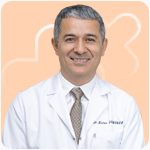
Op. Dr. Soner DÜZGÜNER
Obstetrics and Gynaecology Specialist
Op. Dr. Soner Düzgüner: Provides diagnosis and treatment in areas such as in vitro fertilization, women's health, infertility, gynecological surgery and pregnancy follow-up.