 EN
EN  TR
TR  AR
AR  DE
DE  RU
RU  BG
BG 

HPV
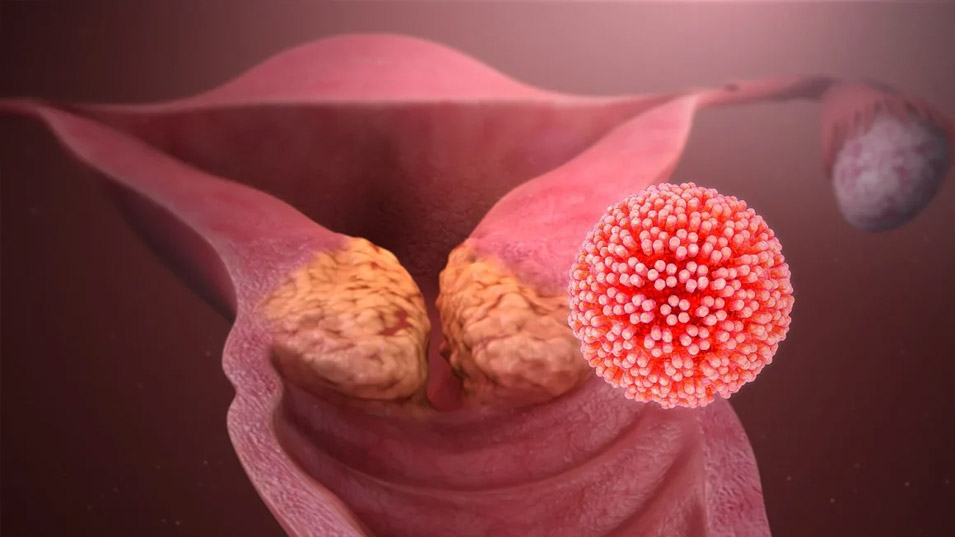
What Is HPV?
HPV is a DNA virus with over 200 different types. This virus affects the skin and mucous membranes. Various types of HPV can cause different symptoms and diseases. HPV can be transmitted through sexual contact and may cause infection in the genital area.
Some types of HPV are among the most common causes of sexually transmitted infections. HPV infections usually do not show symptoms. However, in some cases, they can become chronic and lead to certain health problems.
Some types of HPV can cause the development of genital warts (condyloma acuminata). These warts typically appear on the external genital organs or around the anus. Other types of HPV can lead to cancers. In particular, cervical cancer, vulvar cancer, vaginal cancer, penile cancer, and anal cancer have been linked to HPV infection.
What Are the Types of HPV (Human Papillomavirus)?
Some important types of HPV include: High-risk HPV types: HPV 16 and HPV 18 are the most common and dangerous high-risk types. These types can lead to cervical cancer, vulvar cancer, vaginal cancer, penile cancer, anal cancer, and some head and neck cancers.
Intermediate-risk HPV types: Types such as HPV 31, HPV 33, HPV 35, HPV 45, HPV 52, and HPV 58 are considered intermediate-risk. These types can also be associated with cervical cancer and some other cancers.
Low-risk HPV types: HPV 6 and HPV 11 are known as low-risk types. These types can cause genital warts but carry a low risk of cancer.
What Diseases Are Caused by the HPV Virus?
The main diseases caused by HPV include:
Cervical cancer: HPV infections can lead to the development of cancer in the cervix. High-risk HPV types, in particular, have been linked to long-term infections. With early diagnosis and treatment, cervical cancer can be prevented or successfully treated.
Genital warts (Condyloma acuminata): HPV infection, particularly with some low-risk types (such as HPV 6 and HPV 11), can cause warts in the genital area. These warts are typically found on the external genital organs, around the anus, or nearby areas.
Vulvar, vaginal, and penile cancer: The HPV virus can cause vulvar and vaginal cancer in women, and penile cancer in men. These types of cancers are associated with high-risk HPV types.
Anal cancer: HPV can also cause cancer in the anal region. This type of cancer is generally associated with sexually transmitted HPV types. The risk of anal cancer is especially higher in individuals with HIV infection.
Head and neck cancers: HPV infection can also cause cancers in the mouth, throat, tongue, and tonsils.
Modes of HPV Transmission
HPV (Human Papillomavirus) is a virus that can be transmitted in various ways. Here are the main modes of HPV transmission:
Sexual contact: The most common mode of HPV transmission is through sexual contact. The virus can be transmitted during vaginal, anal, or oral sex with an infected person. Unprotected sex increases the risk of HPV transmission.
Skin-to-skin contact: Some types of HPV can also be transmitted through skin-to-skin contact. Touching areas where genital warts (condyloma acuminata) are present can lead to the spread of the infection. HPV types transmitted through skin contact are usually low-risk types.
During childbirth: In rare cases, HPV can be transmitted from an infected mother to her baby during childbirth. This may cause warts to form in the baby’s throat.
Sexual objects: There is also a risk of HPV transmission through sexual objects. For example, if sex toys or other sexual objects used by an infected person are shared, the virus can be transmitted.
How Common Is HPV Transmission?
The frequency of HPV transmission can vary depending on sexual activity and risk factors. The risk of HPV infection is related to the number of sexual partners a person has. Individuals with multiple sexual partners may have a higher risk of HPV infection.
Each partner may potentially carry different types of HPV, increasing the risk of infection. The prevalence of HPV in women is about 20%, meaning that one in every five women has an HPV infection. The HPV virus is commonly transmitted during sexual intercourse.
How Is HPV Treated?
There is no complete cure for HPV (Human Papillomavirus) infection. However, there are treatment options to manage symptoms associated with the infection and to prevent its progression. Here are the methods used for HPV treatment:
Treatment of genital warts: Genital warts caused by HPV infection can be controlled with various treatment methods. These include the application of topical creams, liquids, or acids, cryotherapy (freezing), laser treatment, electrocautery, and surgical methods. The treatment option is determined based on factors such as the type, size, and location of the warts.
Treatment of precancerous lesions: Precancerous lesions (CIN) caused by HPV can develop in the cervix or other mucosal areas. In such cases, treatments such as surgical removal of the lesions, cryotherapy (freezing) of the cervix, or electrocautery may be applied.
Follow-up and regular check-ups: It is recommended that individuals with HPV infection undergo regular gynecological examinations and Pap smear tests. These tests are important for monitoring the progression of the infection and detecting precancerous lesions at an early stage.
HPV vaccine: HPV vaccines are an effective method for preventing HPV infection. These vaccines reduce the risk of infection by providing immunity against certain high-risk and some low-risk types of HPV. They are generally recommended for adolescents and young adults, but guidelines may vary depending on specific age groups.
Is HPV Only Transmitted Through Sexual Contact?
Human Papillomavirus (HPV) is primarily a sexually transmitted virus and spreads through skin-to-skin contact during sexual intercourse. However, the virus can also be transmitted without intercourse, for example, through contact between genital areas.
What Are the Symptoms of HPV?
HPV usually does not cause symptoms, so many people are unaware they carry the virus. However, some types of HPV can cause genital warts. In this case, symptoms appear as small, hard, cauliflower-like bumps on the skin. Additionally, some high-risk types of HPV can lead to certain cancers over time (such as cervical cancer).
Does the HPV Virus Go Away?
Yes, most HPV infections are cleared spontaneously by the immune system within two years and do not cause permanent symptoms. However, some people may carry the virus for a long time, which can lead to certain types of cancer, especially in cases involving high-risk HPV types.
Comments From You
Danışmak istediğiniz konularla ilgili sizi arayalım.
Let us reach you quickly about the topics you want to consult.

Op. Dr. Soner DÜZGÜNER
Obstetrics and Gynaecology Specialist
Op. Dr. Soner Düzgüner: Provides diagnosis and treatment in areas such as in vitro fertilization, women's health, infertility, gynecological surgery and pregnancy follow-up.