 EN
EN  TR
TR  AR
AR  DE
DE  RU
RU  BG
BG 

Do Food Supplements Increase IVF Success?
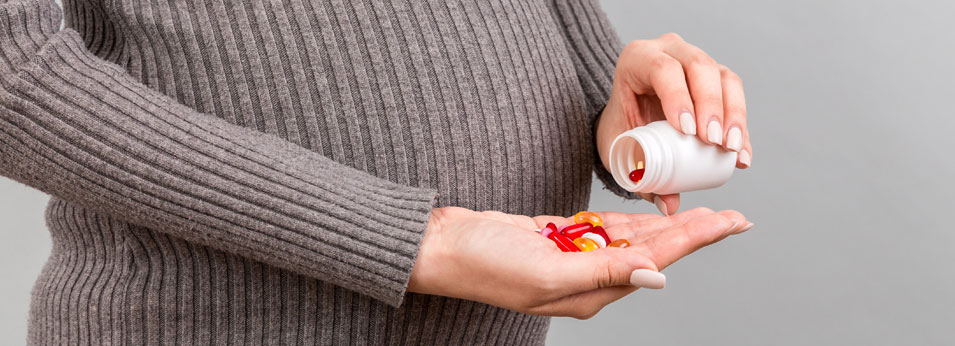
The main reason that guides us towards dietary supplements is the thought, “Let me take something orally and get better,” and also that this method is the most practical and effortless. This is true because everything we take into our body affects our metabolism, and although we are primarily responsible, we live according to a familiar dietary pattern based on our age from the moment we are born. However, hundreds or even thousands of years ago, the way of eating was not like this.
For those who ask, "But how was it?" you can benefit from the article titled "The Evolution of Diet – National Geographic." Most of us wonder about the amounts of vitamins, minerals, proteins, etc., in the foods we eat and what we actually need, right?
However, we think our needs are met only when we feel healthy.
But how will we understand what we need for our reproductive functions to continue correctly? At this very point, we must turn to science.
I have searched the Cochrane Library and the publications of ASRM and ESHRE for myself and for you.
- Long-chain omega-3 fatty acids have been shown to improve female fertility.
- Vitamin D does not appear to play a significant role in human fertility when there is no deficiency.
- Especially, intake of additional folic acid at doses higher than recommended for the prevention of neural tube defects has been consistently associated with lower infertility rates, reduced risk of pregnancy loss, and greater success in infertility treatment.
- Adherence to healthy diets that favor seafood, whole grains, fruits, and vegetables is associated with better fertility in women and improved semen quality in men.
Milk and soy, once suggested as toxic substances for reproduction, have not been associated with poor fertility. In fact, soy and soy supplements appear to have a beneficial effect on women undergoing infertility treatment. CoQ10 supplementation (during in-vitro maturation) has been shown to increase egg maturation rates in older women and reduce the risk of abnormal chromosome embryos after fertilization with sperm.
I do not disregard the antioxidants and vitamins not mentioned here. However, I preferred to include those with a higher level of evidence. As long as the recommended daily intake is not exceeded, I can say they are generally not harmful. The use of herbal mixtures, on the other hand, is a much riskier area. Not knowing what they contain, in what quantities, or how they may interact when combined concerns me. Nevertheless, we are responsible for everything we put into our bodies. Those who want to use them can do so—I'm not completely opposed. If even one in a thousand benefits, why not?
Let us reach you quickly about the topics you want to consult.

Op. Dr. Soner DÜZGÜNER
Obstetrics and Gynaecology Specialist
Op. Dr. Soner Düzgüner: Provides diagnosis and treatment in areas such as in vitro fertilization, women's health, infertility, gynecological surgery and pregnancy follow-up.