 EN
EN  TR
TR  AR
AR  DE
DE  RU
RU  BG
BG 

Hormonal Disorders
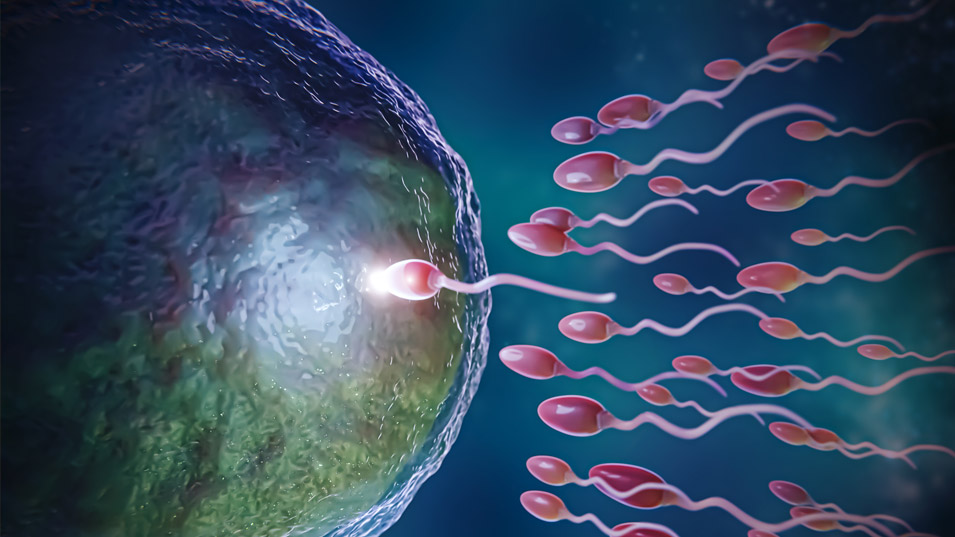
Approximately 20% of male infertility cases are caused by endocrine (hormonal) factors. These factors are related to the body’s hormone production and regulation, which play a crucial role in male reproductive health. The main endocrine factors associated with male infertility include:
Hypogonadism: Hypogonadism is a condition in which the testes produce insufficient amounts of hormones and have reduced sperm production. It can be present from birth or develop later in life. Low testosterone levels are one of the most common hormonal causes of male infertility.
Hyperprolactinemia: Elevated levels of prolactin can suppress testosterone production and negatively affect sperm development. Hyperprolactinemia may be linked to thyroid disorders, kidney disease, stress, or the use of certain medications.
Thyroid disorders: Both underactive (hypothyroidism) and overactive (hyperthyroidism) thyroid conditions can contribute to male infertility. Thyroid hormones directly influence sexual function and sperm production, and imbalances may disrupt testosterone levels and spermatogenesis.
Pituitary gland disorders: The pituitary gland controls the release of many essential hormones in the body. Disorders or tumors affecting this gland can cause hormonal imbalances that interfere with sperm production and lead to infertility
Adrenal gland disorders: The adrenal glands produce hormones such as cortisol and DHEA, which support the production of testosterone and other sex hormones. Adrenal dysfunction may result in hormonal imbalances and impaired fertility.
General hormonal imbalances: Imbalances involving testosterone and gonadotropins are among the most important endocrine causes of male infertility. These disruptions can significantly affect sperm production and overall reproductive function.
Treatment of Endocrine-Related Male Infertility
Treatment focuses on identifying and correcting the underlying hormonal imbalance.
Common treatment options include:
Hormone replacement therapy: Used in men with testosterone deficiency to help improve sperm production.
Medications to lower prolactin levels: Prescribed in cases of hyperprolactinemia.
Gonadotropin therapy: In men with GnRH or LH deficiency, hormone injections may help stimulate sperm production.
Thyroid hormone treatment: Appropriate medications can restore normal thyroid function in men with thyroid hormone imbalances. In addition to medical treatment, maintaining a healthy lifestyle, balanced nutrition, regular exercise, and effective stress management can support hormonal balance and improve fertility outcomes.
How Do Endocrine Disorders Affect Male Fertility?
Endocrine disorders can impair male fertility by disrupting the proper release of hormones that regulate testicular function and sperm production.
Which Endocrine Factors Are Involved in Male Infertility?
Any imbalance in the hypothalamic–pituitary–testicular axis, abnormal gonadotropin secretion, or irregularities in key hormones—especially testosterone and FSH—can contribute to male infertility.
Comments From You
Danışmak istediğiniz konularla ilgili sizi arayalım.
Let us reach you quickly about the topics you want to consult.

Op. Dr. Soner DÜZGÜNER
Obstetrics and Gynaecology Specialist
Op. Dr. Soner Düzgüner: Provides diagnosis and treatment in areas such as in vitro fertilization, women's health, infertility, gynecological surgery and pregnancy follow-up.