 EN
 TR
 AR
 DE
 RU
 BG


RSV Vaccine (Abrysvo / Arexvy)
This page summarizes what the RSV (respiratory syncytial virus) vaccine is, who it is recommended for, how it is administered and its possible side effects. At our clinic, the doctor's assessment, the vaccination and the vaccination certificate are all provided within the same visit. The right vaccine and timing for you are determined according to your age, your health status and, if applicable, your week of pregnancy.
What is RSV?
RSV is a virus that affects the respiratory tract and becomes more common especially in the autumn and winter months. In healthy adults it usually causes mild, cold-like symptoms. However, in infants, people aged 60 and over, and those with chronic heart, lung or kidney disease, diabetes or a weakened immune system, it can lead to bronchiolitis, pneumonia and hospitalization.
What is the RSV vaccine?
RSV vaccines are preventive vaccines designed to build immunity against the F protein, which plays a role in the virus's entry into cells. They do not treat an existing RSV infection. Two recombinant protein vaccines are currently the main options used in adults:
Abrysvo (Pfizer): A non-adjuvanted bivalent vaccine developed against the RSV A and RSV B subtypes. In addition to its use in adults aged 60 and over, it can also be given during pregnancy to protect the baby in the first months after birth.
Arexvy (GSK): An RSV vaccine containing an adjuvant that strengthens the immune response. It is used in adults aged 60 and over and in younger adults at increased risk of RSV; it is not used during pregnancy.
Who can get the RSV vaccine?
The RSV vaccine is recommended primarily for adults aged 60 and over. Adults with chronic lung disease (COPD, asthma), heart failure, diabetes, kidney disease or an immunosuppressive condition are also in the risk group. Abrysvo given during pregnancy aims to protect the newborn against RSV in the first months of life through the transfer of maternal antibodies to the baby; the appropriate week of pregnancy is determined by the doctor. Which vaccine is right for you is decided together during your examination.
How many doses are given?
The RSV vaccine is given as a single dose, usually as an intramuscular injection in the upper arm. According to current data, it does not need to be repeated every year in adults; recommendations on the need for an additional dose are being updated as new studies emerge. Your doctor will assess whether it can be given at the same time as seasonal vaccines such as the flu vaccine. In pregnancy, it is given as a single dose within the specified week range for each pregnancy.
Possible side effects
The most common side effects are pain, redness or swelling at the injection site, fatigue, headache and muscle pain; these usually resolve on their own within a few days. Guillain-Barré syndrome has been reported very rarely in people over 60. If you notice any unexpected symptoms after vaccination, please contact us.
Who should postpone or avoid the vaccine?
It should not be given to people who have had a severe allergic reaction to any of the vaccine's components or to a previous dose. If you have an acute illness with fever, vaccination is postponed until you recover. People with a bleeding disorder or taking blood thinners, pregnant women and those receiving treatment that affects the immune system should share their situation with their doctor before vaccination.
Appointments and information
You can message us on WhatsApp for RSV vaccine appointments and up-to-date price and availability information. Simply share your name and surname as written in your passport, your preferred date, your age and, if applicable, your week of pregnancy.
Message us on WhatsApp: +90 545 440 55 45
Mon–Fri 08:00–17:00 • Saturday 09:00–14:00 • Sunday closed
Lotus Nişantaşı Offices, Entrance A, 5th floor, No: 82 • Halaskargazi Cad. No: 38-66, Şişli, Istanbul
Let us reach you quickly about the topics you want to consult.
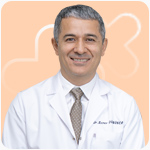
Op. Dr. Soner DÜZGÜNER
Obstetrics and Gynaecology Specialist
Op. Dr. Soner Düzgüner: Provides diagnosis and treatment in areas such as in vitro fertilization, women's health, infertility, gynecological surgery and pregnancy follow-up.