 EN
EN  TR
TR  AR
AR  DE
DE  RU
RU  BG
BG 

Egg Collection Stage
In this video, you can find information about how the egg retrieval procedure is performed, and what to pay attention to before and after the procedure.
How Is Egg Retrieval Performed?
Hormonal Stimulation: The egg retrieval process begins with hormone therapy to promote the growth of immature eggs. This treatment helps the ovaries reach the desired size.
Ovulation Trigger Shot: To ensure full maturation of the eggs, an injection is administered in the abdominal area before the procedure. This injection is a necessary step prior to the OPU (Oocyte Pick-Up) process.
Egg Retrieval: The egg retrieval procedure is usually performed 35–36 hours later. At this stage, the doctor uses an OPU needle attached to the ultrasound probe to aspirate the eggs into a sterile tube. This procedure allows the eggs to be sent to the embryology laboratory.
Embryology Laboratory Procedures: In the embryology laboratory, an embryologist works in a sterile environment to process the eggs collected in the tube. Using a sterile glass pipette, the eggs are retrieved from the follicular fluid and then transferred to a culture medium that allows them to develop.
Procedure Duration: The egg retrieval procedure typically takes 15–20 minutes, depending on the number of eggs to be collected. Considering the sensitive and precise nature of the procedure, this is a relatively quick process.
Before Egg Retrieval in IVF Treatment
Before the egg retrieval procedure in IVF treatment, there are some important points that the patient should pay attention to.
Regular use of medications: Regular use of hormone medications prescribed to stimulate egg development is very important. We recommend that you take your medications as instructed and in the prescribed dosage.
Fasting before the procedure: Prior to the operation, the patient must not eat or drink anything for a certain period (at least 6 hours before the procedure).
Avoiding smoking and alcohol use: Before the egg retrieval procedure, it is necessary to avoid harmful habits such as smoking and alcohol. These habits may negatively affect the treatment process.
Resting: It is recommended that the patient rests and avoids stress before the procedure.
Things to Consider After Egg Retrieval
Egg retrieval is an important step in IVF treatment. After the procedure, it is important for patients to take good care of themselves and properly manage the recovery process. Here are some key points to consider after egg retrieval:
Pain Management: After egg retrieval, you may experience pelvic pain. You can use pain relievers recommended by your doctor. Over-the-counter medications such as paracetamol may help alleviate the discomfort. However, it is important to follow your doctor’s advice and use prescribed medications accordingly.
Nutrition: After the procedure, it is important to focus on consuming liquid-based foods for a while. You may prefer soft and easily digestible meals. Additionally, drinking plenty of water and keeping your body hydrated is essential.
Recovery Process: It is important to rest and relax after the procedure. Try to create a comfortable environment for rest at home. Taking some time to rest after the procedure helps your body focus on the healing process.
Activities: It is important to avoid strenuous physical activities after the procedure. Avoid lifting heavy objects, intense exercise, and standing for long periods. Light activities such as gentle walks can help improve circulation and provide relief.
Sexual Activity After Egg Retrieval
It is recommended to avoid sexual intercourse for a while after the egg retrieval procedure. The uterus and ovaries may be sensitive after the procedure, so avoiding sexual activity can reduce the risk of infection.
On which day is the egg retrieval procedure performed in IVF treatment?
Egg retrieval is usually performed between the 12th and 14th days of the woman’s menstrual cycle.
How many eggs are typically retrieved in IVF treatment?
The number of eggs retrieved during the egg retrieval procedure in IVF treatment can vary depending on the woman's age, ovarian reserve, response to hormone therapy, and other factors.
On average, 8 to 12 eggs are retrieved during IVF treatment. However, what matters most in IVF is the number of high-quality and healthy eggs. In addition to the quantity, the quality of the eggs, fertilization rate, and embryo quality are also factors that affect the chances of success.
Comments From You
Danışmak istediğiniz konularla ilgili sizi arayalım.
Let us reach you quickly about the topics you want to consult.
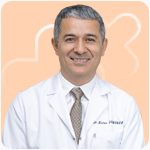
Op. Dr. Soner DÜZGÜNER
Obstetrics and Gynaecology Specialist
Op. Dr. Soner Düzgüner: Provides diagnosis and treatment in areas such as in vitro fertilization, women's health, infertility, gynecological surgery and pregnancy follow-up.