 EN
EN  TR
TR  AR
AR  DE
DE  RU
RU  BG
BG 

Zana’s Story: The Importance of IVF and Correct Embryo Selection in a High Genetic Risk Family
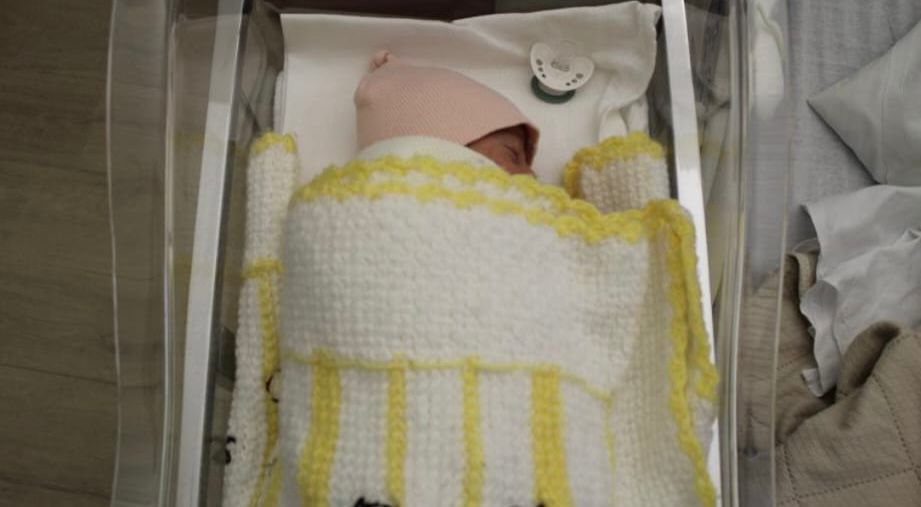
Some IVF treatments require managing not only infertility but also intergenerational genetic risks.
Zana’s story is the result of exactly such a process.
A Journey Beginning with High Genetic Risk
Anne ve baba adayları amca çocuklarıydı ve her ikisi de, nörolojik hastalıklarla ilişkili üç farklı genetik mutasyonun taşıyıcısıydı:
- NPHS2
- ADPRS
- MUTYH
Bu genetik yapı nedeniyle çiftin, genetik hastalıktan etkilenmiş ve halen yaşayan üç çocuğu bulunuyordu.
In addition, there was a history of consanguineous marriages in the mother’s family;
anne adayının kız kardeşinde, kas hastalığı nedeniyle kaybedilmiş bir çocuk öyküsü bulunuyordu.
For this reason, the planned new pregnancy was not only about the desire to have a baby,
sağlıklı bir çocuk dünyaya getirme sorumluluğunu da içeriyordu.
Initial Evaluation and Treatment Plan
The first consultation with the couple took place in 2023.
The risks were analyzed in detail, and it was clear that a conventional IVF approach would not be sufficient.
In this case, the goal was:
- Not only to achieve pregnancy,
- But to identify a genetically healthy embryo before pregnancy.
IVF and Genetic Testing Process
IVF treatment was performed in 2024.
- A total of 19 oocytes were retrieved
- 7 day-5 (D5) embryos developed
- Biopsy samples were taken from these embryos
Preimplantation genetic testing (PGT) was performed for the NPHS2, ADPRS, and MUTYH genes
Among the embryos analyzed:
- Embryos that were genetically healthy or only carriers were identified
Subsequently, chromosomal analysis (PGT-A) was applied to 2 selected embryos:
- 1 embryo: Normal chromosomal structure
- 1 embriyo: %35 oranında mozaik monozomi 9
Embryo Transfers and Endometrial Preparation
- Second Attempt
- The endometrium was prepared using an artificial protocol (with estradiol)
- An embryo with normal chromosomes,,
genetically healthy for NPHS2,,
and not a carrier for ADPRS and MUTYH was transferred
- Pregnancy was not achieved
- Second Attempt
- This time, the endometrium was prepared using a natural protocol
- %35 mozaik monozomi 9 içeren,
genetically healthy for all three genes, was transferred
- Pregnancy was achieved
This stage once again demonstrated that endometrial preparation can respond differently in each patient and depending on the embryo.
Outcome: The Birth of Zana
Zana,
Zana was born in France on the night of December 31,,
as one of the last babies of 2025,
and her birth was also covered by the French press.
Today, Zana is:
- A source of support for her three siblings affected by genetic disease,
- For her mother, both a healthy child and a lifelong companion,
- And for her family, a tangible symbol of hope and trust.
The Most Important Message from This Case
For some families, IVF treatment is not about:
- The number of eggs,
- Or the number of embryos.
For certain families, IVF requires:
- Genetic science,
- Experience,
- Patient planning, and ethical responsibility—all together.
With the right center, the right strategy, and an individualized approach,
IVF treatment
can turn into a journey that changes a family’s destiny.
Information Note
This article is for informational purposes only.
Each patient and each genetic risk profile is unique; diagnosis and treatment must always be planned through individualized evaluation.
https://www.lunion.fr/archives/recherche?word=zana&sort=date+desc&datefilter=lastyear
Let us reach you quickly about the topics you want to consult.
Op. Dr. Soner DÜZGÜNER
Obstetrics and Gynaecology Specialist
Op. Dr. Soner Düzgüner: Provides diagnosis and treatment in areas such as in vitro fertilization, women's health, infertility, gynecological surgery and pregnancy follow-up.